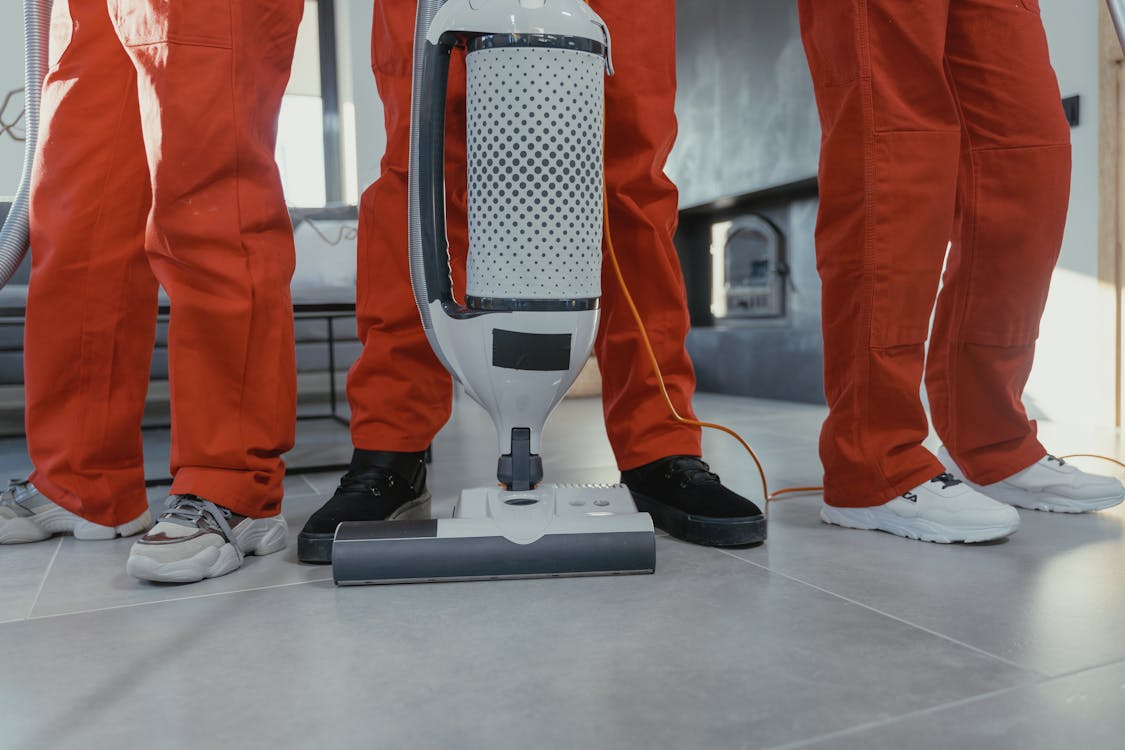
Area rugs are among the most dirt-retaining items in any home. Every step grinds particles deeper into the fibers, and regular vacuuming — while helpful for surface debris — can’t reach the grit, allergens, and bacteria embedded at the base of the pile. Over time, this buildup dulls the colors, degrades the fibers, and turns a beautiful rug into a health hazard. Professional rug cleaning not only restores the appearance of your rug but also significantly extends its life.
Why Regular Vacuuming Isn’t Enough
Vacuuming removes loose surface debris, but it has real limitations:
- It can’t extract the dry soil that settles at the base of the pile through daily foot traffic
- It doesn’t sanitize or kill bacteria, dust mites, or mold spores living deep in the fibers
- It can actually drive fine particles deeper into handwoven or delicate rugs if the suction is too strong
- It doesn’t address stains, pet odors, or chemical residue
A rug that looks clean after vacuuming may still contain a surprising amount of embedded dirt. Some cleaning professionals demonstrate this by placing a clean-looking rug over paper and beating it — the pile of dust and debris that falls out often shocks homeowners.
Professional Rug Cleaning Methods
Different rug types require different cleaning approaches. A reputable rug cleaning service will assess your rug’s construction, fiber type, and dye stability before recommending a method.
Hot Water Extraction (Steam Cleaning)
This is the most common method for synthetic rugs (nylon, polyester, polypropylene). High-pressure hot water is injected into the fibers and immediately extracted along with loosened soil and cleaning solution. It’s effective and fast-drying when done properly.
Best for: Machine-made synthetic rugs, some wool blends
Full Immersion / Hand Washing
The gold standard for valuable, handmade, or delicate rugs. The rug is submerged in a cleaning solution appropriate for its fiber and dye type, gently agitated, rinsed thoroughly, and then properly dried. This method fully removes embedded soil without the risk of overwetting one area.
Best for: Persian rugs, Oriental rugs, wool rugs, antique rugs, silk rugs
Dry Cleaning (Low-Moisture Methods)
Uses a dry compound or very low-moisture foam that is worked into the rug and then extracted. Minimizes the risk of color bleeding or shrinkage in moisture-sensitive materials.
Best for: Viscose/rayon rugs, some silk blends, rugs with unstable dyes
Foam Cleaning
A shampoo-like foam is applied and worked through the pile, then extracted. Less thorough than immersion cleaning but gentler than hot water extraction for certain materials.
Why DIY Rug Cleaning Can Cause Permanent Damage
Attempting to clean an area rug at home — especially a valuable one — carries real risks:
- Color bleeding: Natural dyes in handmade rugs are often not colorfast under household cleaning conditions. The wrong product or water temperature can cause colors to run irreversibly.
- Fiber damage: Wool shrinks when exposed to heat or agitation. Viscose rugs are notoriously sensitive to moisture and can develop permanent brown staining from even small wet spots if not dried correctly.
- Backing damage: Latex-backed rugs can dissolve or separate when soaked. Natural fiber backings can mold if not dried thoroughly.
- Incomplete rinsing: Cleaning solution left in the fibers attracts more soil, causing the rug to get dirty faster after DIY cleaning.
For any rug with sentimental or monetary value — Persian, Oriental, wool, antique — professional cleaning is not optional.
Cost of Professional Rug Cleaning
Pricing varies by rug size, fiber type, and cleaning method required.
| Rug Size | Typical Cost |
|---|---|
| Small (2×3 to 4×6 ft) | $30 – $75 |
| Medium (5×8 ft) | $75 – $150 |
| Large (8×10 ft) | $120 – $250 |
| Extra-large (9×12 ft and up) | $200 – $400+ |
Additional factors that affect cost:
- Wool and natural fibers cost more to clean than synthetic rugs due to the expertise required
- Antique or silk rugs may require hand washing with specialty solutions — expect premium pricing
- Heavy soiling or stains may require pre-treatment at an added cost
- Pickup and delivery is often available (for a fee) for large or heavy rugs
How Often Should Rugs Be Professionally Cleaned?
General recommendations based on use:
- High-traffic areas (entryway, living room, kitchen rug): Every 12 months
- Moderate-use areas (bedroom, dining room): Every 18 months
- Low-traffic or decorative rugs: Every 2–3 years, or when visually soiled
- Homes with pets or allergy sufferers: More frequently, every 6–12 months
Between professional cleanings, rotate your rug every 6–12 months to even out wear patterns and sun exposure.
Caring for Persian and Oriental Rugs
Handmade Persian and Oriental rugs deserve special attention. These rugs are woven with natural wool or silk and colored with natural or semi-synthetic dyes that require expert handling.
- Never use household carpet cleaners on Persian or wool rugs — the pH and chemistry can damage fibers and dyes
- Spot clean immediately when spills occur, blotting (never rubbing) from the outside in
- Avoid prolonged sun exposure — UV rays fade natural dyes over time
- Use a rug pad underneath — it reduces friction wear, prevents slipping, and keeps the rug from crushing against the floor
- Store properly if removing for a season: roll (never fold), wrap in breathable cotton or Tyvek, and store in a cool, dry place
Stain Treatment Tips Before Professional Cleaning
If you’re dealing with a fresh stain, act immediately:
- Blot up as much liquid as possible with a clean white cloth — press firmly, don’t rub
- Work from the outer edge of the stain inward to avoid spreading it
- Do not apply heat (hair dryer, iron) — heat sets stains permanently
- Avoid scrubbing, which damages fibers and drives the stain deeper
- For solid substances, carefully scrape up the material before blotting
For valuable rugs, stop after blotting and leave the rest to a professional. Attempting further DIY treatment can make stains harder to remove.
Final Thoughts
A quality area rug is an investment worth protecting. Regular professional rug cleaning removes the embedded grime that vacuuming can’t reach, preserves fiber integrity, and keeps colors vibrant for decades. Find a rug cleaning service with experience in your rug’s specific material — and for valuable handmade pieces, always opt for full immersion hand washing from a specialist.