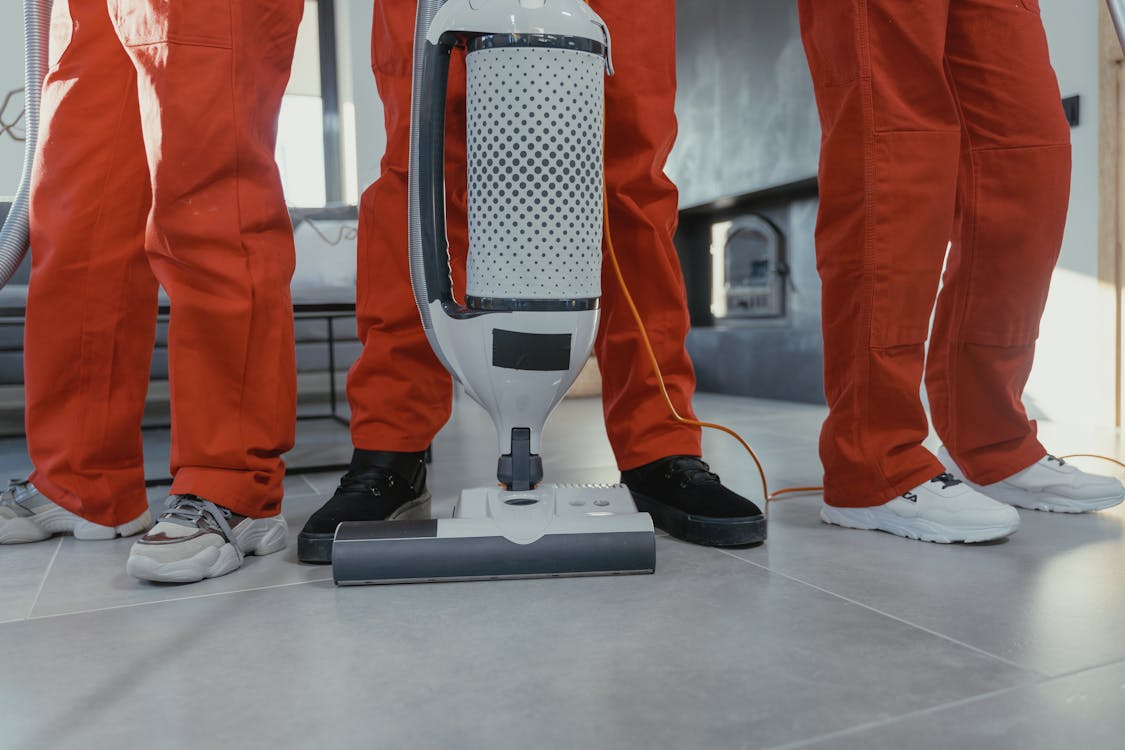
You’ve survived the renovation. The contractors are gone, the new kitchen cabinets are installed, the flooring is down. But standing in the middle of your freshly remodeled space, you realize a new problem: everything is coated in a fine white dust, there are adhesive smudges on the windows, paint flecks on the hardware, and debris tucked into every corner. This is where post-construction cleaning comes in — and why it’s a distinct specialty that requires more than a standard cleaning crew.
Why Post-Construction Cleaning Is a Specialty Service
Construction and renovation work generates a specific type of mess that ordinary cleaning can’t address. Drywall dust is extraordinarily fine — fine enough to infiltrate HVAC systems, settle into grout lines, and coat the insides of cabinets and closets even in rooms that weren’t being renovated. Adhesive residue from flooring, tile, or protection film requires specific solvents to remove without damaging surfaces. Paint overspray on glass and hardware needs careful treatment.
General cleaning companies often lack the equipment, solvents, and experience to handle these materials safely and effectively. Post-construction cleaning specialists know what products won’t damage new finishes, how to handle silica-containing dust safely, and how to sequence the cleaning process to avoid contaminating areas you’ve already cleaned.
The Three Phases of Post-Construction Cleaning
Professional post-construction cleaning is typically structured in phases, each serving a distinct purpose.
Phase 1: Rough Clean
The rough clean happens while the project may still be partially underway, or immediately after construction is fully complete. It focuses on clearing the space of bulk debris:
- Removing leftover construction materials (lumber scraps, drywall pieces, packaging)
- Sweeping and vacuuming up coarse debris from floors
- Removing protection film from floors and surfaces
- Clearing out trash, empty containers, and leftover supplies
- Initial sweep of dust from horizontal surfaces
This phase makes the space safe to walk through and sets up for the more detailed work to follow.
Phase 2: Final Clean
This is the most labor-intensive phase and what most people picture when they think of post-construction cleaning. It’s a thorough, detailed cleaning of every surface:
- Drywall dust removal: Vacuumed and wiped from walls, ceilings, fixtures, cabinets, and inside drawers and closets
- Window cleaning: Removing paint, adhesive residue, and construction dust from glass, frames, and tracks
- Fixture cleaning: Removing stickers, adhesive, and grime from plumbing fixtures, cabinet hardware, and appliances
- Floor cleaning: Deep cleaning of hard floors, including grout lines; detail vacuuming of any carpet
- Millwork and trim: Wiping down all baseboards, door casings, crown molding, and window trim
- Kitchen and bath: Cleaning inside cabinets, scrubbing tile and grout, cleaning countertops and fixtures
- HVAC vents: Cleaning registers and, ideally, having ducts cleaned if the HVAC ran during construction
Phase 3: Touch-Up Clean
Often scheduled 24–48 hours after the final clean, the touch-up addresses anything missed and handles the secondary settling of fine dust that often occurs after the initial cleaning disturbs the air. It’s a lighter pass — typically 1–3 hours — that catches overlooked spots and polishes the space to move-in ready condition.
Safety Considerations You Should Know
Silica Dust
Cutting concrete, stone, brick, and drywall generates fine silica dust. Crystalline silica is a known carcinogen that causes silicosis with repeated exposure. Professional post-construction cleaners use N95 or higher respirators and HEPA-equipped vacuums to handle this material safely. Consumer-grade vacuums without HEPA filtration will simply exhaust the fine particles back into the air.
VOCs from Fresh Finishes
New paint, adhesives, sealants, and flooring materials off-gas volatile organic compounds (VOCs) for days to weeks after application. Post-construction cleaning should be done with ventilation maximized — windows open, exhaust fans running — and ideally with low-VOC cleaning products that won’t add to the chemical load in the space.
Electrical and Plumbing
Water and electricity near construction sites can be unpredictable. Reputable post-construction cleaners are trained to avoid spraying water near uncapped electrical boxes, open junction boxes, or any components that haven’t been fully tested by the contractor.
Specialized Equipment Required
This is what separates post-construction cleaning from standard cleaning work:
- Commercial HEPA vacuums capable of capturing fine drywall and silica dust without releasing it back into the air
- Industrial wet/dry vacuums for bulk debris and wet materials
- Extension poles and high-reach tools for cleaning ceilings and tall surfaces
- Solvent and chemical kit for removing adhesives, paint spots, grout haze, and hard water deposits
- Scrubbing equipment for floors and tile, including rotary floor machines for larger areas
How Much Does Post-Construction Cleaning Cost?
Pricing is almost always quoted per square foot for construction cleaning, though very complex projects may be quoted hourly.
- Residential construction cleaning: $0.15–$0.35 per square foot for standard work
- Complex or heavily contaminated spaces: $0.35–$0.50 per square foot
- Commercial construction cleaning: $0.10–$0.30 per square foot (larger footprints reduce the per-square-foot rate)
For a typical 2,000 square foot home renovation, expect to budget $300–$700 for a thorough post-construction clean. Larger homes or more complex projects — full gut renovations, commercial buildouts — will price accordingly.
Residential vs. Commercial Post-Construction Cleaning
The principles are the same, but the scale and logistics differ significantly. Commercial post-construction cleaning involves larger crews, extended hours (often overnight to avoid disrupting business operations), compliance with building management requirements, and more stringent documentation. Commercial general contractors typically include a post-construction cleaning allowance in project budgets; residential homeowners often handle this separately.
Timeline: When to Schedule
Book your post-construction cleaning after the contractor’s final punch list is complete — not before. Having cleaners in while contractors are still making visits is inefficient and often means paying for cleaning twice. The sequence should be:
- Contractor completes all work and removes tools and materials
- Your walkthrough and sign-off
- Rough clean (if not included in contractor scope)
- Final post-construction clean
- Touch-up 24–48 hours later
- Move-in or reopening
Get your cleaning quote lined up before construction wraps so you’re not waiting days after completion for the space to be livable. BidMyCleaning connects you with post-construction cleaning specialists in your area who can quote your specific project size and scope.